
Studying in Sanandaj
Sanandaj (Kurdish pronunciation: Seneh, Kurdistan) is the second-largest Kurdish-majority city in Iran and the twenty-third largest city nationwide. Located in western Iran, Sanandaj serves as the capital of Kurdistan Province and lies approximately 512 kilometers southwest of Tehran. Owing to its unique topographical features, the city is regarded as one of the most picturesque urban areas in Iran. Surrounded by high, scenic mountains and characterized internally by a landscape of rolling hills, Sanandaj offers panoramic views from various elevated points. Several of these hills—such as Tūs-Nozar, Tappeh Rusi, and Tappeh Sharaf-al-Molouk—hold historical and religious significance. The striking mountains of Abidar and Kūchak-e Rash (Black Rock) flank the city, further enhancing its natural beauty. On the eastern edge of the city, the Qeshlaq River flows, adding to the area’s charm.
The name Sanandaj evolved from Seneh-Dezh, itself derived from Sineh-Dezh, referring to its position located at the “heart” or “center” (sineh) of the surrounding mountains of Abidar and the Zagros range. Among Kurdish-speaking residents, the city is widely known simply as Seneh. Sanandaj is also called “the city of a thousand hills” and is known as a “city of mosques.” The residents speak Sorani Kurdish with an Ardilani accent. Historically shaped by urban development during the Safavid and Qajar eras, Sanandaj retains a highly valuable traditional urban fabric, with numerous residential and public structures—including bathhouses, mosques, and bazaars—still standing. Its documented historical-cultural zone covers approximately 112 hectares. The city is considered one of Iran’s notable centers of sustainable tourism.
Geography and Population
Sanandaj is bordered by Abidar Mountain to the west, Sheikh Maruf Mountain to the north, Seraj-al-Din Mountain to the south, and Khatun-Shisheh and Leylakh Pass to the east. The city spans an area of roughly 764.95 hectares. According to 2021 estimates, the population stands at around 550,000 residents.
Language and Religion
The inhabitants of Sanandaj speak Sorani Kurdish with the Ardilani dialect. The predominant religion is Islam, with most residents adhering to the Sunni Shafi‘i school.
Cuisine and Local Products
Sanandaj’s traditional gifts and specialties fall into two major categories: edible delicacies and handicrafts. Popular edible souvenirs include natural honey, nan-berenji (rice cookies), gum resin (saghez), kak, sesame sweets, and roasted almonds. Prominent handicrafts include the tanbur and daf (traditional musical instruments), as well as jajim, kilim, carpets, fine woodwork, and the traditional Kurdish footwear known as kalash.
Natural and Tourist Attractions in Sanandaj
Sanandaj is widely recognized for its distinctive climate, which varies considerably across different seasons and contributes to the city’s rich array of natural and recreational attractions. Among the most notable sites is:
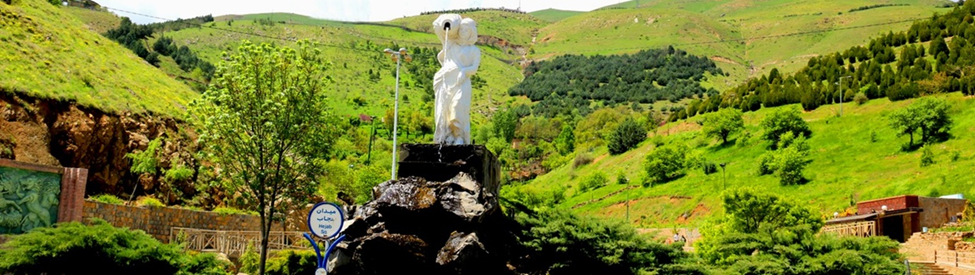
Abidar Forest–Recreational Park
Abidar Park—also referred to as Abidar Forest Park or Abidar Mountain Park—is one of the most enchanting recreational destinations in Sanandaj and is considered one of the most beautiful parks in western Iran. With its captivating scenery, cool mountain air, and tranquil atmosphere, it is a favored location for family outings and social gatherings.
Roujiar Park
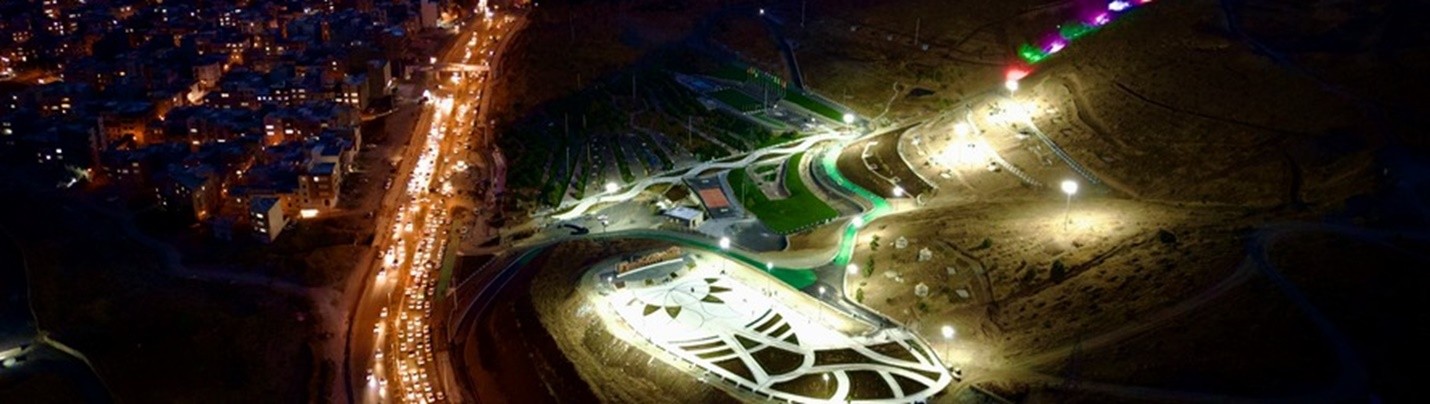
In line with efforts to expand recreational and athletic facilities that promote public health and provide meaningful leisure opportunities—especially for young people—the Municipality of District Three in Sanandaj has undertaken significant initiatives, most notably the development of the 20-hectare Roujiar Park. Situated on the western side of Sanandaj along the foothills of Mount Abidar, this expansive park incorporates two prominent cultural and artistic zones: Zhuwangeh-ye Honar (Art Zone) and Zhuwangeh-ye Musiqi (Music Zone), each featuring distinctive and unique artistic installations.
Roujiar Park includes a wide variety of sports and recreational amenities, such as dedicated cycling paths, facilities for athletes with disabilities, mini-football fields, volleyball and basketball courts, a skating track, badminton areas, and routes designed for public exercise.
The park also features several cultural and leisure spaces, including the Tulip Garden, Redbud Garden, a food corridor, and a community center. Two natural springs—Kani Roujiar and Kani Ronyar—flow through the site and feed a beautifully designed artificial waterfall. In addition, dedicated spaces such as a children’s park and an elderly park further enhance the park’s inclusivity and appeal.
Historical Tourist Attractions in Sanandaj
Sanandaj is renowned as a city of historic mansions and ancient minarets. Its several-thousand-year history has left behind remarkable architectural and cultural monuments that offer visitors a vivid glimpse into the traditions, customs, and heritage of the region. Among the most significant historical sites in Sanandaj are:
Asif Mansion
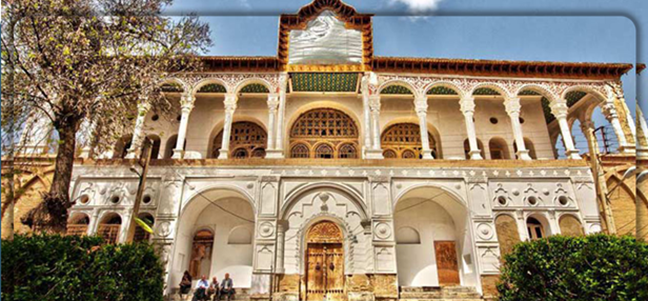
Asif Mansion, also known as Vaziri House, is one of the oldest historical buildings in Sanandaj. Originally the residence of Asif Khan Vaziri, it is widely referred to as the House of Kurdish Culture. The mansion was registered on Iran’s National Heritage List in 1996.
The foundation of Asif Mansion was laid during the Safavid era, and as you walk through it, you can observe architectural elements and decorative styles from the Safavid, Zand, Qajar, and Pahlavi periods. The structure’s architecture and interior arrangement are so striking and immersive that upon entering, one feels as if history unfolds tangibly before their eyes.
The mansion comprises several distinct sections, including servant quarters, aristocratic inner chambers, traditional bathhouses, multiple inner and outer courtyards, and a historical kitchen complex. Visiting this mansion not only provides insight into the architectural evolution of the region but also offers a deeper understanding of the culture, customs, and lifestyle of Kurdish society.
Khosro Abad Mansion
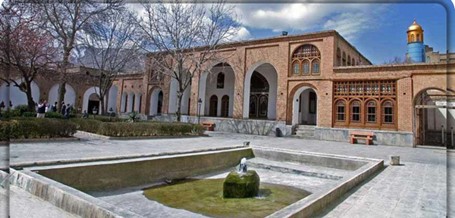
Khosro Abad Mansion is another prominent historical estate in Sanandaj, constructed approximately 180 years ago by the regional governor of the time, Amanollah Ardalan. Because the ruling family resided in this mansion, defensive trenches were dug around the complex to ensure the safety of its inhabitants, and numerous trees were planted in the surrounding area. For this reason, some locals still refer to the site today as Khandaq (the Trench).
The main structure of the mansion dates back to the Zand and Qajar periods, with additional sections added during the Pahlavi era. Historically, four streets encircled the mansion, dividing the grounds into four distinct gardens—hence its alternative name, Khosro Abad Chahar-Bagh Mansion.
Among the notable features of this elaborate complex are its traditional bathhouses, lime-plaster decorations adorned with motifs of animals and natural scenes, royal kitchens, a horse stable, a large courtyard, multiple secondary courtyards including the kitchen and bath courtyards, expansive pools and fountains, and intricately crafted plasterwork. Together, these elements reflect the architectural grandeur and refined artistic taste characteristic of the region’s historical elites.
Religious Tourist Sites in Sanandaj
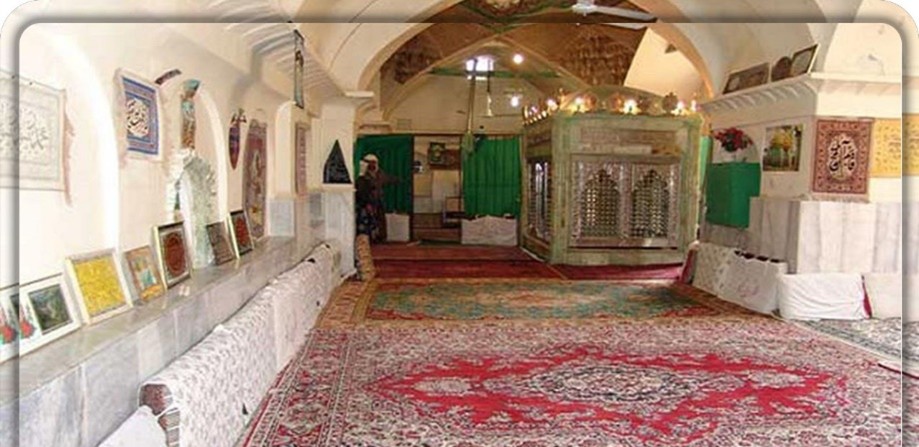
Imamzadeh Pir Omar
Imamzadeh Pir Omar is a historical religious complex that includes a mausoleum, a mosque, and the burial sites of several notable figures of Sanandaj. The origins of this shrine date back to the year 1046 AH, making it one of the oldest sacred sites in the city.
Located near the old governmental fortress of Sanandaj, the complex offers visitors the opportunity to explore two significant historic landmarks in a single visit. The spiritual atmosphere of the shrine, combined with its architectural features and its connection to the religious and cultural heritage of the region, makes it an important destination for both pilgrims and tourists.
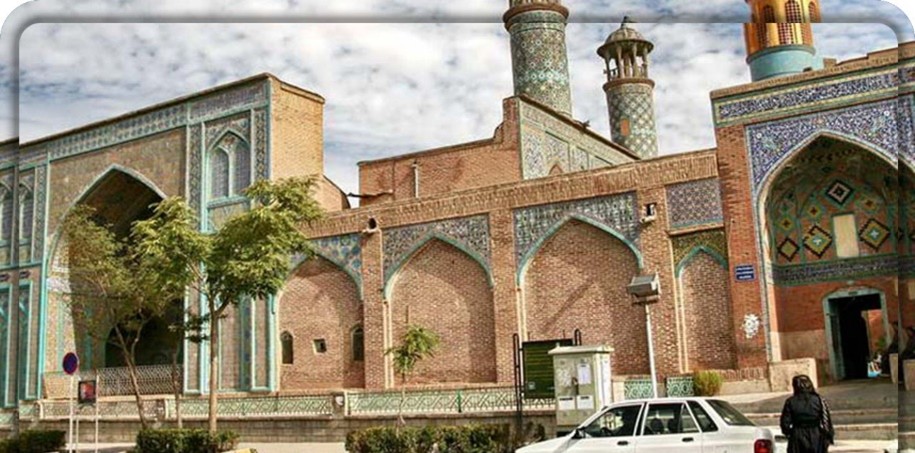
Sanandaj Grand Mosque
The Sanandaj Grand Mosque, also known as Dar al-Ihsan Mosque, was constructed in 1228 AH during the Qajar period. A visit to this historic mosque reveals its remarkable façade and exquisite seven-color tilework, which together embody the splendor and elegance of traditional Islamic architecture.
As one of the most distinguished religious monuments in western Iran, the Sanandaj Grand Mosque is classified among the country’s notable two-iwan mosques. Its architectural layout includes several key sections, such as the Dar al-Ihsan School, a series of traditional chambers (hujras), side corridors, and its impressive iwans. These features collectively reflect the cultural, artistic, and religious significance of this monumental structure.
Academic and Scientific Institutions
Sanandaj hosts numerous academic and scientific institutions that provide higher education at various levels. Notable universities and centers include:
- University of Kurdistan
- Kurdistan University of Medical Sciences
- Farhangian University
- Islamic Azad University, Sanandaj Branch
- Payame Noor University
- University of Applied Science and Technology
Additionally, other higher education centers, such as the Imam Khomeini University Complex (Azad University Medical School) and the Islamic University of Religions, are also active in the city.
Student Facilities and Campus Life
Despite its mountainous location, Sanandaj is a calm, culturally rich, and safe city. The cost of living is lower compared to major cities like Tehran or Shiraz. Student accommodations—including public and private dormitories—urban transportation, and a conducive cultural environment provide favorable conditions for both studying and living.
Why Study in Sanandaj?
- A culturally vibrant city with reputable universities
- Beautiful natural surroundings, a healthy climate, and clean air
- Warm and hospitable local population
- Affordable living costs for students
- Suitable environment for cultural, artistic, and scientific activities